
How I got here
the book-stops
It could have been angst. Or anger. Or some mutated compulsion that drove me to it. But at the end of 2018, I decided, on an impulse, to “make” a book. The theme came to me almost immediately. It is cultural. Existential. I pulled together some poems that had been published on online platforms and in journals and worked on a manuscript, googled a hybrid publisher and blundered on. ‘Water to Water’ was not as much a labour of love as it was a determined, hurried channelling of rebellion. A few people bought it. Some even liked it. A few still mention it - occasionally. It had poems like this one, first published in The American Poetry Journal.
Pickled mangoes

You cut off the bruised pieces, the toxic bits, the unpalatable,
the hard, breaking life down, smaller and smaller, until all

that’s left can fit into a lightless urn, like the gold fish on the
kitchen table, mouths opening and closing to the rhythm of

the past, steeping in their own waste, like the last of summer’s
mangoes in mother’s glazed porcelain jar, soaked in salt and

chillies and new sesame oil. She would open it every few days,
tossing gently, the flavours mixing, untouched by hand: you touch

it, you ruin it, she would scream. What does a handless fish touch
in the water? How do we touch the air? What about the wounds

we touched and then had to destroy? I scrubbed and scrubbed the
skin where your fingers remained long after you had left, scars

don’t show inside opaque ceramic jars, red with burning spice,
fins slick with oil, salt slowly breaking down the untouched flesh.
Then came the pandemic. In March 2020, in the silence of the lockdown, I wrote every day for two months. I also had a series called ‘City Poems’ that I had been posting randomly on my WordPress blog. ‘Duplicity’, the second book, was a logical accumulation of poems about life in a city of 10 million, before and during this unnatural time.
In hindsight, this book worked harder at its theme, included more micro-poetry of the Haiku and Cherita variety, and had more immediacy. We were barely in safe waters when it was released in September 2021. Again through a hybrid publisher. It never even occurred to me to send the manuscript out and try for a better landing. I don’t know how many people read this book. We’ve already forgotten that awful period of time – the loss, the inequity, the fear, the chaos. I sometimes think I should tell my peers to give it to their children to read, to tell them how it was, then. But the last things poets know how to do is to market their books. For me, personally, it felt right that poetry should respond and respond quickly to the world around it. This poem from ‘Duplicity’, is about migrant workers who had to find their way back on foot, when the world around them shut down without warning.
Summer
for those who never made it home

This summer of the sun that is and the light
that isn’t. This summer of waiting in queues:

the line of the poor, the line of the poorly, the
line that cannot go all the way home. This

summer of mangoes, red with blood, scattered
on a highway with the luckless dead. This

summer of overturned empathy. This summer
of counting — minutes and victims and the

number of meanings for ‘distance’ — as noun,
as verb, as an antonym for living. This

summer that is the Trojan horse dragged
into the city centre, silence stuffed inside

its distended belly. How can the fucking
monsoon ever wash this summer away?
Which brings us to ‘No Way Home’ –five years later. I have written about its genesis in my previous post. It works through the grief of estrangement and the harbouring of trauma. Here’s a snippet from it:
Am I a good person?
Then, is someone else unbearably bad?
There are adjectives and nouns
that cannot be juxtaposed.
Blood is sacred. Syntax, holy.
Fingers wrap themselves around
the light, refusing to point.
The sun inches higher.
The night remains as an absence.
Mortality means different things when you submit.
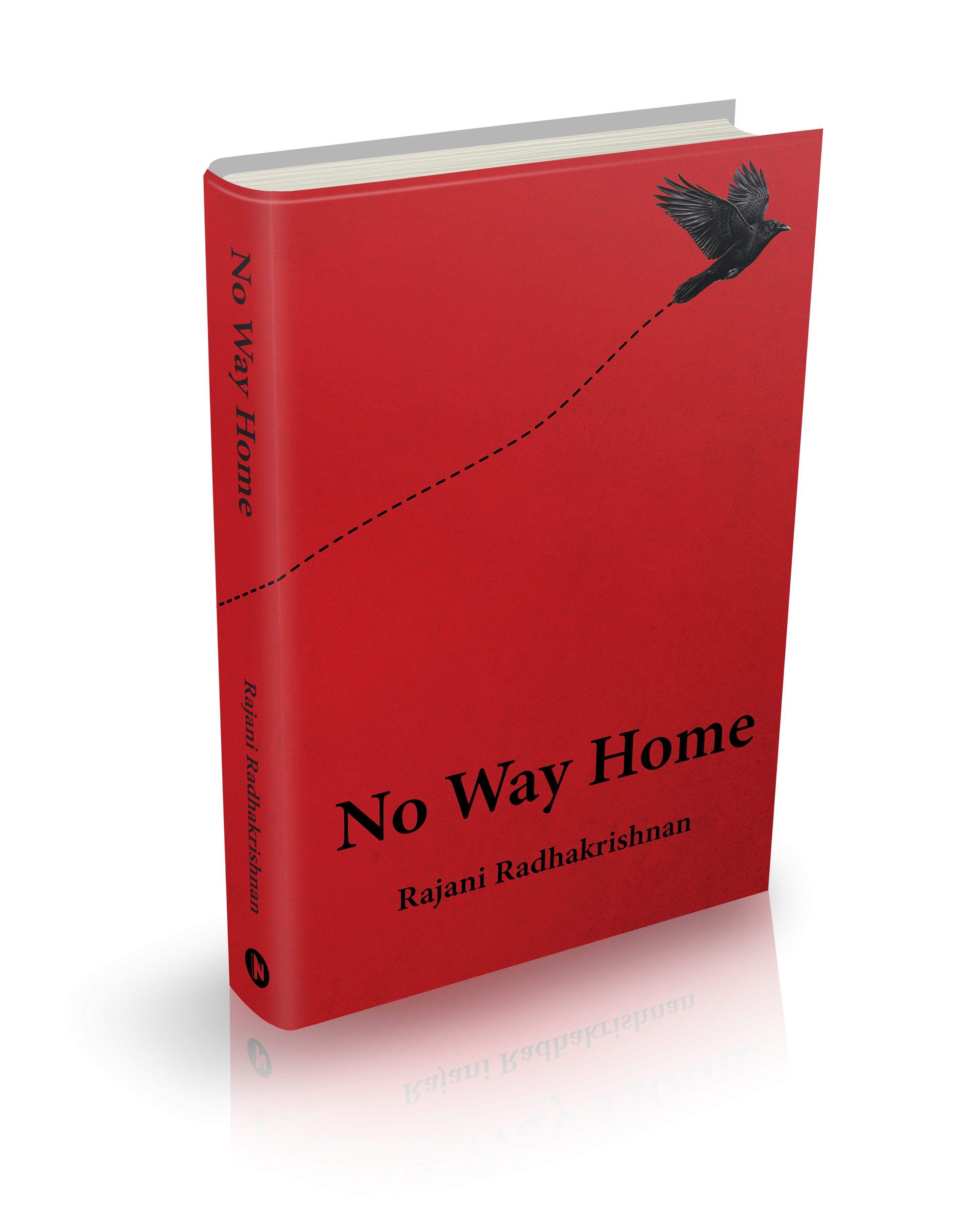
‘No Way Home’ will be out soon. It is a child of dissonance. A creature of longing. Hope you will welcome it into your homes!
(If you are on Instagram, find me at @tp_poetry - more about the book there.)
I fully agree on how poetry needs to respond quickly to the world around us, which is the opportunity online platforms give us. Incidentally, on the topic of COVID's sentiments being captured, the collection with others came about in that way, and a colleague and I put it together in a few months and put it out free (https://pandemicwords.wordpress.com).
I've put out 3 books in total (2 my own, and one a collection with mostly others), and I've found that each time, the book almost takes on a life of its own. It's like this drive - this compulsion - a captivating vision of what this book is going to be, and then the motivation is there to just plough through and keep working until it's out in the world. And yes, the aspects of not knowing if it reached a big enough audience, or the stigma of hybrid publishing, can pull one back. But I think that when you have that motivation - that compulsion - for a book (or project), the sheer drive you have - the belief that this needs to get out to people - has to overrun all those doubts and negativities.
I'd call is "creative compulsion", and it's a beautiful feeling, and it's magical when you finally see it all come together in the final book.
Congrats on book number 3. May it fulfill all the expectations you have of it, and reach those who will be touched by it in the most important ways.
Rajani, you are such a terrific and prolific poet.
I will look and find your books and savor your gorgeous poems.
Your writing is simple yet lush, personal and transcendental.